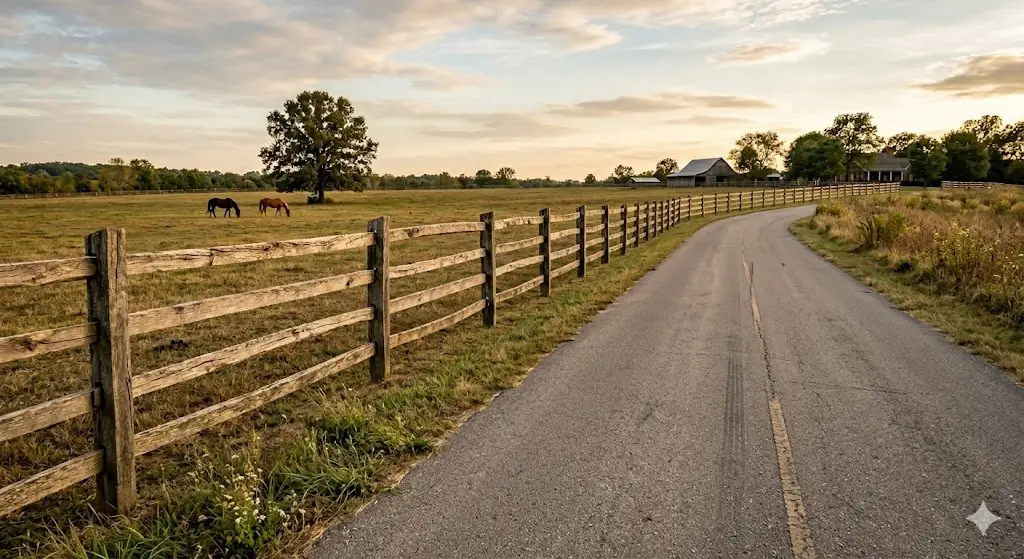
Chapel Hill sits along the Duck River in northern Marshall County, anchored by Henry Horton State Park and the tight-knit community centered around Forrest School. We build fences that work for this land.
Chapel Hill sits in northern Marshall County along the banks of the Duck River, anchored by Henry Horton State Park and the tight-knit community centered around Forrest School. This is a town where you still wave at the driver coming the other direction on Nashville Highway, where the Lions Super Pull of the South fills the grandstands every year, and where a good fence means the difference between keeping your cattle on your side of the creek and spending Saturday morning rounding them up from the neighbor’s hay field.
Middle TN Fence & Gate serves Chapel Hill with the same quality we bring to the larger Williamson County communities to our north, but we understand that fencing needs here are different. Acreage is the norm, budgets are practical, and the fence has to work — not just look pretty from the road.
Chapel Hill’s identity is shaped equally by its school, its park, and its agricultural heritage. Forrest School educates the community’s children from Pre-K through 12th grade under a single roof. The Duck River, which flows through Henry Horton State Park just south of town, is one of the most biologically diverse river systems in North America. A major lodge renovation is underway with a projected 2027 opening. Apex Bank anchors the town’s small commercial district along Nashville Highway.

Chapel Hill’s economy was built on agriculture, and the working farms along Nashville Highway, Depot Street, and the roads radiating out toward Lewisburg still need fencing that performs. We install high-tensile wire for cattle perimeters, woven wire for mixed livestock, and board fence for horse properties near the park. The Duck River bottomland demands posts set deep with proper drainage at the base.
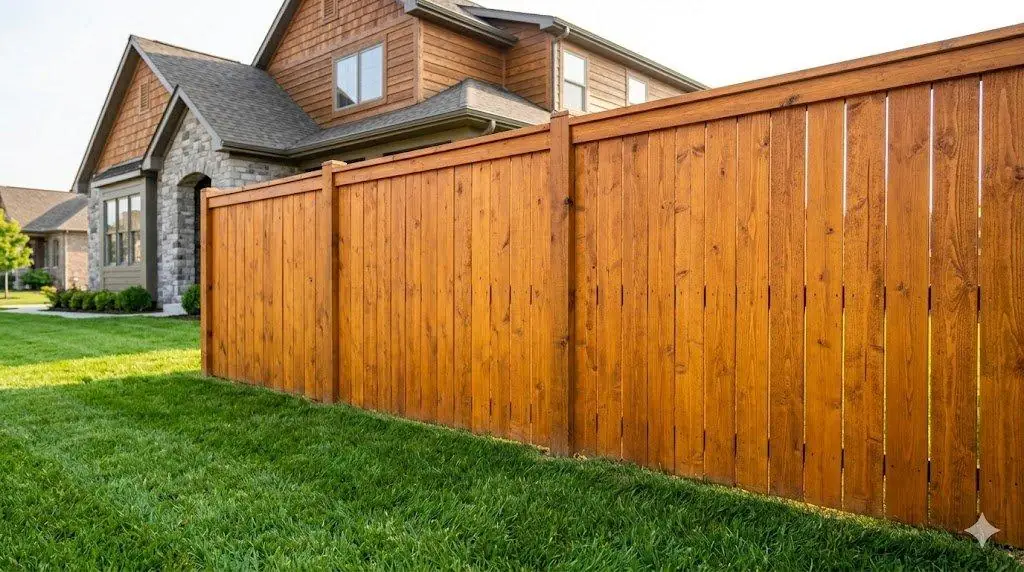
The homes clustered around the Chapel Hill town center and along the newer residential stretches of Nashville Highway need privacy fencing that separates yard space from neighbors and road traffic. Our cedar and pressure-treated pine privacy fences provide that barrier while complementing the rural character of Marshall County.
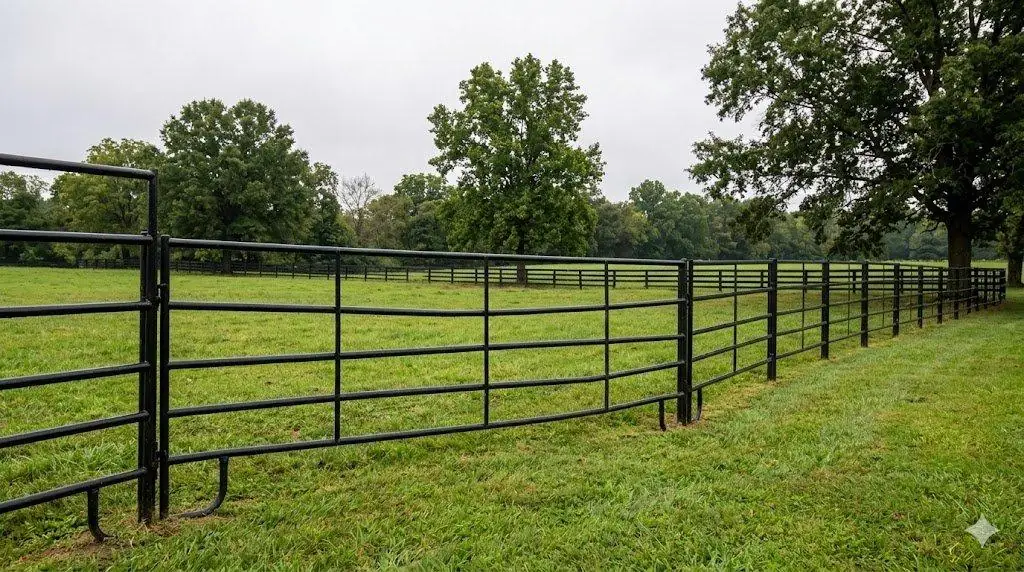
Vinyl gives Chapel Hill homeowners a permanent, maintenance-free fence that does not need staining, painting, or replacing rotted boards. This matters in a community where weekends are for family, the state park, and the Lions Club — not scraping and re-staining fence boards.

Split rail is Chapel Hill’s natural fence. It marks property lines, defines yard boundaries on larger lots, and looks right against the pastures and tree lines that frame the community. We install locust and cedar split rail with optional wire backing for animal containment.
Properties near the Duck River and Henry Horton State Park sit on bottomland that floods periodically and stays damp. We account for this with deeper post settings, gravel drainage beds, and materials rated for prolonged moisture.
Chapel Hill fencing projects often involve long perimeter runs on uneven terrain. We survey your fence line before quoting, identify grade changes, creek crossings, and tree line obstacles.
Chapel Hill is not Brentwood, and we do not price it like Brentwood. Our farm fencing rates reflect the competitive reality of agricultural fencing in Marshall County.
We serve the same communities where we live and work. When you call us for a fence in Chapel Hill, you get a crew that knows the roads, knows the soil, and knows the difference between a quote and a handshake.
Chapel Hill falls under Marshall County jurisdiction. Most residential and agricultural fences do not require a building permit, though setbacks from road rights-of-way apply. Properties within the Henry Horton State Park buffer zone may have additional restrictions.
Properties in the Duck River corridor need materials that handle periodic flooding and sustained moisture. We recommend pressure-treated wood or vinyl for residential fences and galvanized high-tensile wire for farm perimeters in flood-prone areas.
Farm fencing typically runs $5 to $15 per linear foot for wire configurations and $15 to $35 for board fence. Residential wood privacy ranges from $25 to $45 per foot. Free estimates available.
Yes. Properties bordering state park land may need to comply with setback or buffer zone requirements. We coordinate with Marshall County planning to verify any restrictions before installation.
A typical 1,000-foot perimeter run takes three to five days. Larger projects with creek crossings, heavy brush clearing, or difficult access may take longer. We provide a timeline estimate with every quote.